
Whether you’re shifting to a bigger villa, moving into your first apartment, or relocating an entire office, the difference between a smooth move and a miserable one usually comes down to preparation. Most people underestimate how long packing takes, how much needs protecting, and how quickly small oversights compound on moving day. Working with an experienced team changes that equation entirely. In this guide, we’ll cover the planning, packing, and practical decisions that keep a relocation on schedule and on budget, so you can focus on settling in rather than firefighting problems.
Relocating anywhere in the UAE comes with its own particular considerations – building access rules, lift bookings, timing around the heat, and the sheer variety of property types from high-rise apartments to large villas. Add the pressure of handover dates and it’s easy to see why people find moving stressful. But with the right preparation and an experienced team who know the local requirements, it becomes far more manageable. This guide breaks down the practical realities of moving, what professional services actually handle for you, and how to keep the whole process calm and predictable.
Understanding What Drives the Cost
Moving quotes vary for understandable reasons, and knowing what drives them helps you compare fairly. Volume is the main factor, followed by distance, access difficulty such as stairs or restricted parking, the amount of packing required, and any specialist items needing extra care. Additional services like storage, cleaning, or handyman work also affect the total. Beware quotes that seem unusually low, as they often exclude packing materials or add charges later for things you assumed were included. A clear, itemised quote based on an actual assessment of your belongings is far more reliable than a rough figure given over the phone.
Keeping Business Downtime to a Minimum
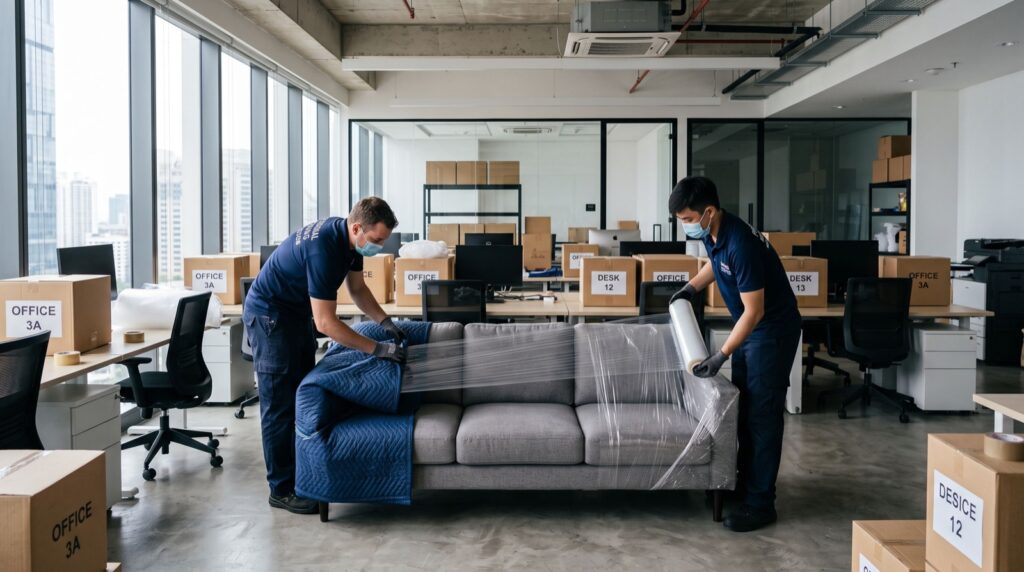
Office relocations carry a cost that home moves don’t: every hour your business isn’t operating is money lost. That makes sequencing critical. Well-run commercial moves are planned around the working week, often taking place over evenings or weekends, with workstations packed and labelled so they can be reassembled quickly rather than puzzled over. IT equipment needs particular care, both physically and in terms of how quickly it comes back online. Clear planning about what moves when, and who is responsible for each stage, is what allows a business to close in one location and open in another with minimal disruption. That’s exactly what experienced movers in JVT handle every day.
When Storage Makes Sense
Move-out and move-in dates don’t always line up neatly, and sometimes your new place isn’t ready or simply won’t fit everything immediately. Storage bridges that gap and removes an enormous amount of pressure from the timeline. It’s also useful when downsizing, renovating, or holding seasonal and rarely used items you don’t want cluttering a new home. What matters is that the facility is clean, secure, and appropriate for what you’re storing – climate considerations matter for wooden furniture, documents, and electronics. Having storage available as part of your moving plan turns a rigid, stressful schedule into a flexible one.
Start Planning Earlier Than You Think
The single most common moving mistake is starting too late. Packing a full home takes far longer than people expect, and leaving it to the final few days guarantees rushed decisions, poor protection for fragile items, and things going into boxes with no logic at all. Ideally you want several weeks of lead time to sort belongings, arrange your moving date, book any building access you need, and get quotes without pressure. Early planning also gives you room to declutter properly, which reduces both the volume and the cost of your move. Almost every moving-day disaster traces back to a timeline that was too tight from the start. The right expertise matters everywhere, whether in relocation or trusted professionals.
Long Distance and Intercity Moves
Moving between cities or emirates adds considerations that local moves don’t have. Everything spends longer in transit, which means packing needs to be more robust and loads need securing more carefully against movement over distance. Timing becomes more complex, since arrival windows are harder to guarantee and often depend on traffic and route conditions. It’s worth confirming exactly what happens if there’s a delay and how your belongings are handled overnight if applicable. Clear communication about timing, tracking, and responsibility makes long-distance moves far less nerve-wracking than they otherwise are for most people.
Protecting Furniture Properly
Furniture damage during moves is common and almost entirely preventable. Wooden surfaces scratch against each other in transit, upholstery picks up dirt and tears on door frames, and glass elements crack under pressure from stacked items. Proper protection means blankets and padding on every surface, dismantling items that come apart, wrapping legs and corners separately, and securing everything so nothing shifts en route. Large pieces also need the right technique through doorways and stairwells – forcing them causes damage to both furniture and walls. This is one area where professional experience shows immediately in the condition your belongings arrive in. If you’re planning a move, apartment movers International City is a sensible place to start.
Key Takeaways
- Understanding What Drives the Cost: Moving quotes vary for understandable reasons, and knowing what drives them helps you compare fairly.
- Keeping Business Downtime to a Minimum: Office relocations carry a cost that home moves don’t: every hour your business isn’t operating is money lost.
- When Storage Makes Sense: Move-out and move-in dates don’t always line up neatly, and sometimes your new place isn’t ready or simply won’t fit everything immediately.
- Start Planning Earlier Than You Think: The single most common moving mistake is starting too late.
- Long Distance and Intercity Moves: Moving between cities or emirates adds considerations that local moves don’t have.
- Protecting Furniture Properly: Furniture damage during moves is common and almost entirely preventable.
The Bottom Line
The difference between a smooth relocation and an expensive, exhausting one is rarely luck – it’s preparation and the quality of the team handling it. Give yourself realistic time, be clear about what you need, and choose professionals who communicate honestly. Your belongings arrive intact and you start life in your new place calmly.
Moving doesn’t have to be the ordeal it’s reputed to be. Plan earlier than feels necessary, declutter before you pack, use proper materials, and work with a team that knows what they’re doing. Get those basics right and moving day becomes a well-organised routine rather than a crisis you survive.