Chilled Storage in Saudi Arabia: 2026 Temperature-Control Guide
Chilled storage in Saudi Arabia has grown from a food-industry service into a nationwide backbone for pharmaceuticals, cosmetics, fresh produce, and even sensitive electronics. As the Kingdom’s cities expand and e-commerce accelerates, businesses increasingly rely on temperature-controlled warehousing to keep products stable through brutal summers. This 2026 guide explains how national cold-chain infrastructure works and how to choose the right chilled partner.
The principle sounds simple: hold goods between roughly 0°C and +8°C, depending on the product, without interruption. Delivering that across a country where outdoor temperatures routinely exceed 45°C is the real engineering challenge.
The National Cold Chain at a Glance
Saudi Arabia’s major hubs each play a role. Riyadh anchors central distribution, Jeddah handles Red Sea imports, and Dammam serves the industrial east. Chilled goods move between them on refrigerated trucks, pausing in cold warehouses along the way.
Working with reputable service experts who understand this geography helps you place stock close to demand and shorten the last mile, which is where most temperature breaches happen.
Industries That Depend on Chilled Storage
- Food and beverage: dairy, produce, fresh protein, and ready meals.
- Pharmaceuticals and vaccines with strict validated ranges.
- Cosmetics and skincare with heat-sensitive formulations.
- Specialty chemicals and laboratory samples.
- Select electronics that degrade in extreme heat.
Why Temperature Control Is Non-Negotiable
For many products, a broken cold chain is invisible until the customer complains. A vaccine may lose potency, a cream may separate, and a food item may spoil without any obvious outward sign. That is why continuous monitoring matters more than a single spot check.
The World Health Organization sets detailed cold-chain standards for medicines and vaccines, and leading Saudi facilities align their validation and record-keeping with that guidance. In 2026, buyers expect digital proof of an unbroken chain, not a verbal assurance.
Common Temperature Bands
| Range | Typical Use | Monitoring Need |
|---|---|---|
| +2°C to +8°C | Vaccines, many medicines | Continuous, validated |
| 0°C to +4°C | Fresh food, dairy | Continuous logging |
| +8°C to +15°C | Cosmetics, chocolate | Regular logging |
How Do You Pick Chilled Storage in Saudi Arabia?
Begin with validation. A credible provider of Chilled Storage in Saudi Arabia can demonstrate mapped temperature zones, calibrated sensors, and audit-ready records. These are the signs of a facility built for compliance rather than improvisation.
Next, consider reach. A partner with space in more than one city lets you position inventory near your customers and respond quickly to demand shifts. Finally, judge their contingency planning, because backup power and rapid-response maintenance are what keep the chain intact during a fault.
Protecting Sensitive Devices and Goods
Heat is unkind to technology as well as biology. Batteries, screens, and precision components can fail after long exposure to high temperatures, so some importers use dedicated Storage for Electronics & Smart Devices that keeps gadgets within a safe, stable range until they reach buyers.
Building Resilience Into Your Cold Chain
Resilience comes from layers, not luck. Follow these steps to reduce the chance of a costly failure.
- Map every product to a validated temperature range before storage.
- Choose facilities with redundant refrigeration and standby power.
- Insist on real-time alerts so a drift triggers action within minutes.
- Keep audit-ready records for regulators and your own recalls.
- Run periodic mock failures to test the response plan.
Last-Mile Delivery: The Weakest Link
Across Saudi Arabia, the warehouse is rarely where cold chains fail. The danger lies in the final stretch, when a product leaves a validated cold room and travels the last few kilometres to a pharmacy, clinic, or customer’s door. A short wait on a sunbaked loading bay can undo days of careful storage.
Smart operators plan for this by using insulated packaging, pre-cooled vehicles, and tight dispatch windows. They also schedule deliveries to avoid the hottest part of the day wherever possible. When you assess a chilled partner, ask how they protect goods during that vulnerable last mile.
Practical Last-Mile Safeguards
- Pre-cool delivery vehicles before loading.
- Use validated cool boxes for small, high-value shipments.
- Fit transport with its own temperature loggers.
- Plan routes to minimise door-open time and idle heat exposure.
Regional Differences Across the Kingdom
Saudi Arabia is vast, and cold-chain conditions vary by region. Coastal hubs like Jeddah and Dammam contend with humidity on top of heat, while the central plateau around Riyadh is drier but still punishing in summer. A national provider adapts its facilities to each environment rather than applying one template everywhere.
This regional nuance affects where you position stock. Holding inventory close to your main demand centres cuts transport time, lowers risk, and often reduces cost. A partner who understands these local realities helps you design a smarter distribution map.
The Role of Technology in 2026
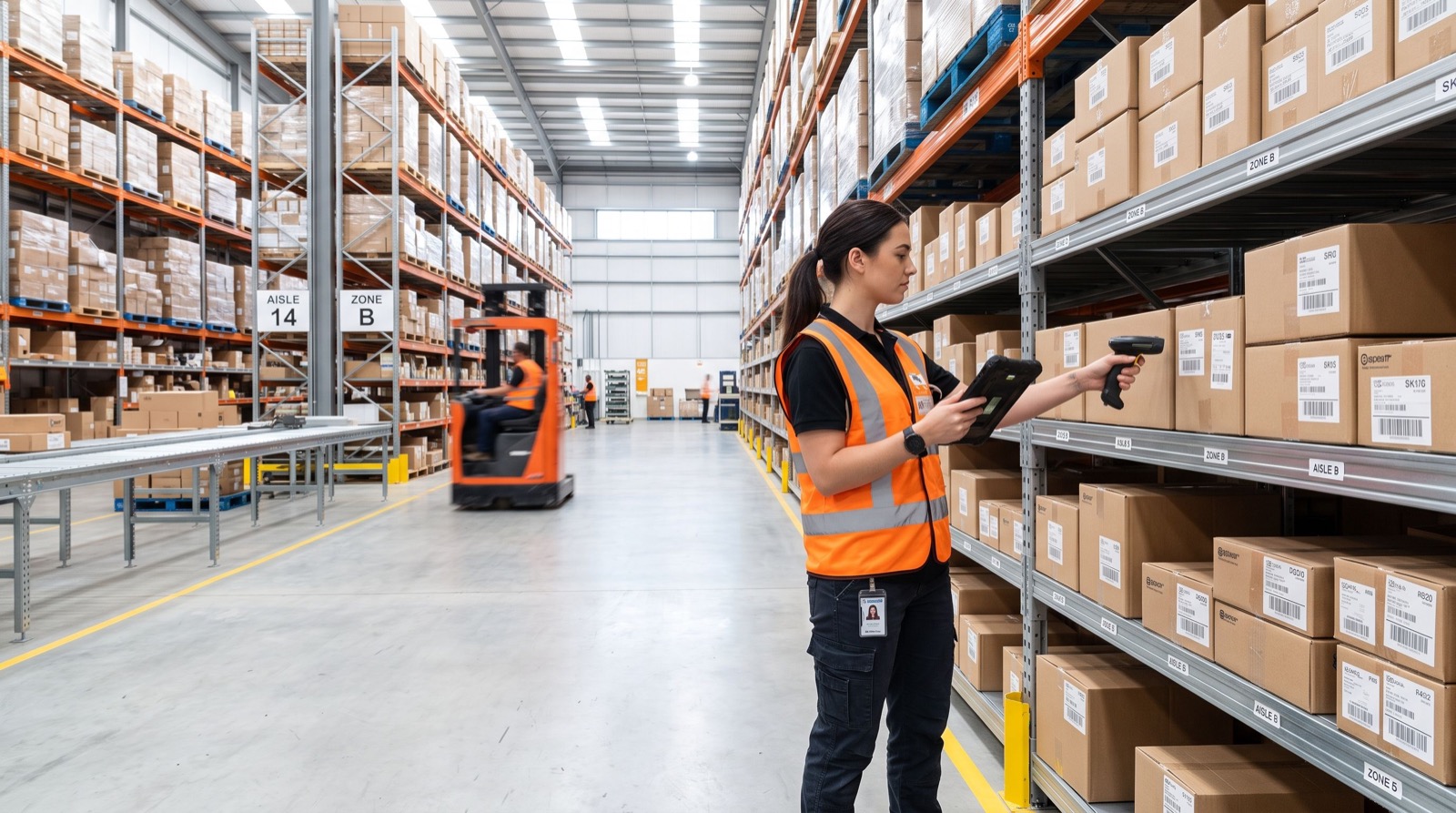
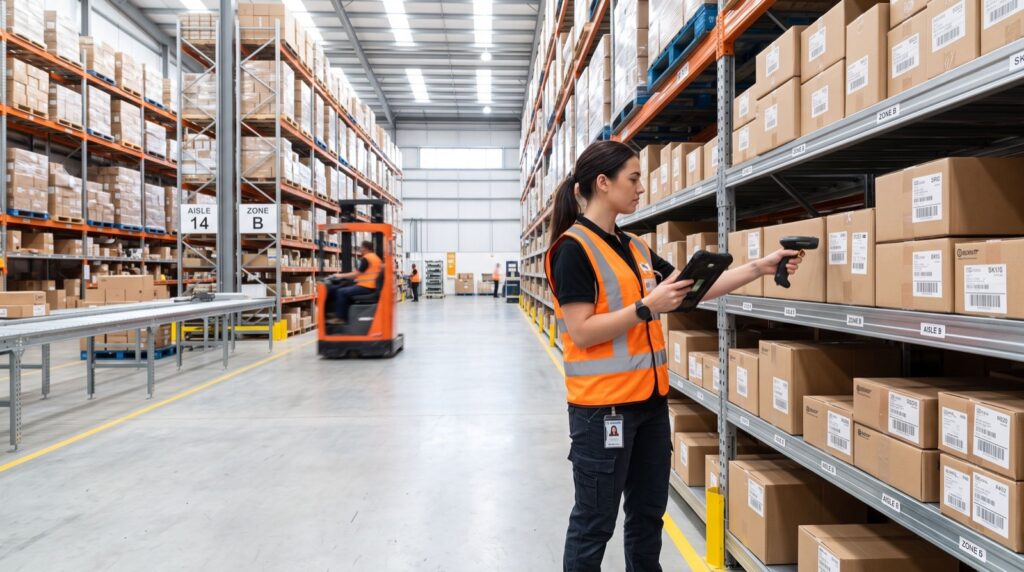
Modern chilled warehouses lean heavily on connected sensors and dashboards. Clients can now watch temperatures across multiple sites from a single screen, with automated alerts if any zone drifts. This visibility turns the cold chain from a black box into a measurable, accountable system.
Automation also speeds handling. Faster picking and dispatch mean goods spend less time in transit zones, which is exactly where temperature excursions tend to occur.
Frequently Asked Questions
What temperature range does chilled storage in Saudi Arabia cover?
Most chilled applications sit between 0°C and +8°C, with the exact set point driven by the product. Pharmaceuticals often need a tightly validated +2°C to +8°C band, while some cosmetics tolerate a slightly warmer cool zone.
How is a cold-chain breach detected?
Through continuous digital monitoring. Sensors log temperatures around the clock and raise alerts the moment a reading drifts, so staff can act before product quality is lost.
Can one provider cover multiple Saudi cities?
Yes, larger operators run networked facilities across Riyadh, Jeddah, and Dammam. A multi-city footprint lets you store inventory near demand and shorten delivery times.
Is chilled storage suitable for cosmetics and electronics?
It can be, since both suffer in extreme heat. The key is matching each item to the correct cool or chilled zone rather than assuming one setting fits every product.
Conclusion and Next Steps
Dependable chilled storage in Saudi Arabia protects everything from vaccines to premium skincare against the Kingdom’s punishing heat. By validating temperature ranges, demanding continuous monitoring, building in redundancy, and choosing a partner with genuine national reach, you turn temperature control into a durable competitive edge.
Audit your product ranges, map them to the right zones, and secure a transparent, technology-driven chilled partner for 2026 before your next peak season begins.